





















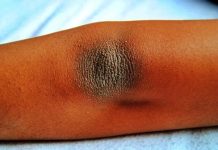




Eczema causes dry, itchy skin, which may be relieved with home remedies and natural therapies.
Creams, natural products, and dietary and lifestyle modifications may be used to control or prevent eczema flares, particularly during the winter, when symptoms are at their worst.
Aloe vera gel and coconut oil, for example, are natural moisturisers that may be used on dry, cracked skin. They may also fight inflammation and dangerous germs, which helps to decrease swelling and infection.
Natural treatments will not cure eczema, but they will help control the symptoms and avoid flare-ups.
1. Aloe vera
Aloe vera gel is made from the aloe plant’s leaves. Aloe vera gel has been used to treat a variety of illnesses for millennia. Eczema is one frequent application.
The effects of aloe vera on human health were investigated in a 2015 systematic study. The gel has the following characteristics, according to the researchers: • antibacterial • antimicrobial • immune system-boosting • wound-healing The antibacterial and antimicrobial actions may help prevent skin infections, which are more common in people with dry, cracked skin. The wound-healing qualities of aloe may help to soothe and repair damaged skin.
People may purchase aloe vera gel at health shops or acquire an aloe vera plant and extract the gel straight from its leaves.
Select aloe gel products with minimal chemicals; others may include preservatives, alcohol, perfumes, and colours, all of which may irritate sensitive skin. Eczema may be exacerbated by alcohol and other drying substances.
To test for skin sensitivity, begin with a tiny quantity of gel. Aloe vera may sometimes produce stinging or burning. In general, it is both safe and effective for both adults and children.
2. Apple cider vinegar
Apple cider vinegar is a well-known home treatment for a variety of ailments, including skin problems.
Apple cider vinegar, according to the National Eczema Association (NEA), may assist with the disease. They do, however, advise care since the acids in vinegar may cause soft tissue injury.
Although no studies have been conducted to prove that apple cider vinegar lowers eczema symptoms, there are many reasons why it may be beneficial: balancing the skin’s acidity levels Vinegar is very acidic. The skin is inherently acidic, however individuals who suffer from eczema may have less acidic skin than others. The skin’s defences may be weakened as a result.
Although using diluted apple cider vinegar to the skin may help regulate its acidity levels, vinegar may cause burns if not diluted.
Alkaline soaps, detergents, and cleansers, on the other hand, are common. They may cause the skin’s pH to be disrupted, making it susceptible to injury. This may explain why using particular soaps can aggravate eczema flare-ups.
Apple cider vinegar may combat germs such as E. coli and Staphylococcus aureus, according to studies. Applying apple cider vinegar to the skin may help prevent infection of damaged skin.
Always dilute apple cider vinegar before putting it on your skin. Chemical burns or other damage may result from undiluted vinegar.
The vinegar may be used in wet wraps or baths, and it can be found in most supermarkets and health food shops.
• Combine 1 cup of warm water and 1 tablespoon of vinegar in a damp wrap.
• Soak cotton or gauze in the solution.
• Use a clean cotton cloth to wrap the dressing.
• Leave it for 3 hours on the affected region.
• Fill a warm bath with 2 cups apple cider vinegar.
• Allow 15–20 minutes for soaking.
• Thoroughly rinsing the body
• Moisturize immediately after getting out of the bath.
3. Bleach Bath
Although it may seem risky, research shows that using bleach in the bath may help alleviate eczema symptoms owing to its antibacterial and anti-inflammatory properties.
The germs on the skin’s surface, including S. aureus, may be killed by bleach. Staph infection is caused by the bacteria Staphylococcus aureus. This may help to rebuild the skin’s surface microbiota.
According to the findings of a 2015 study, bleach baths may decrease the requirement for topical corticosteroid or antibiotic therapy. Other studies, however, showed no difference between bleach and normal bathing.
To create a bleach bath for eczema, use regular-strength (6%) simple bleach and do the following: • Add half a cup of bleach to a full bathtub of water or 1 teaspoon of bleach per gallon of water.
• While the bath is full, add the bleach.
• Allow 5–10 minutes to soak.
• Thoroughly rinsing the body with warm water is recommended.
• Pat dry with a soft cloth.
To keep your skin from drying out, use lukewarm water and moisturise right afterwards.
If a person feels any pain, irritation, or redness after taking a bath with bleach, they should discontinue using it. Because of the powerful fumes, those with asthma or respiratory difficulties should avoid taking bleach baths.
4. Colloidal oatmeal
Colloidal oatmeal (Avena sativa) is produced from crushed and cooked oats to extract its skin-healing qualities.
Colloidal oatmeal lotion possessed antioxidant and anti-inflammatory characteristics, which resulted in improved: • skin dryness • scaling • roughness • itch intensity According to the findings of a randomised controlled study, a colloidal oatmeal moisturiser performed better than a control.
How to use it: Soak in a warm bath with powdered colloidal oatmeal.
Select a colloidal oatmeal product that just contains oats and avoid those that include perfumes or chemicals. Pure colloidal oatmeal may be purchased at health food shops.
Colloidal oatmeal is usually harmless for individuals of all ages, although it should be avoided by those who are allergic to oats. Gluten-sensitive people should exercise care since oats are often processed with wheat.
5. Baths
Bathing is an essential component of treating eczema. When a person has a skin disease like eczema, their skin need additional moisture since the outer layer isn’t working properly.
Washing often may cause skin dryness and exacerbate eczema symptoms in some people. This may happen if you: • use hot or cold water; • use the incorrect soap; and • don’t moisturise afterward. Bathing is recommended for most infants and toddlers once or twice each week.
Adults should:
• bathe or shower at least once a day
• use lukewarm water
• restrict bathing time to 10–15 minutes
• avoid scrubbing the skin
• use mild cleansers instead of soaps
• experiment with various kinds of therapeutic baths, such as those containing baking soda, vinegar, or oatmeal. Shower for a shorter period of time and keep the water warm, not hot.
Moisturize within 3 minutes after coming out of the bath. Apply an oil-based moisturiser before the skin has completely dried. This may assist to keep water from evaporating after a shower or bath.
Apply moisturiser to your hands after washing and drying them to help avoid eczema flare-ups.
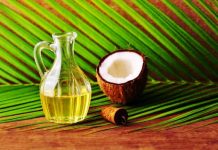
6. Coconut oil
Coconut oil contains healthy fatty acids that may provide moisture to the skin, which can assist individuals with dry skin and eczema.
Furthermore, virgin coconut oil may protect the skin by reducing inflammation and enhancing the health of the skin barrier.
A randomised clinical study looked at the benefits of applying virgin coconut oil on children’s skin. The findings indicate that using the oil for 8 weeks reduced eczema symptoms more than mineral oil.
How to Use It
Apply cold-pressed virgin coconut oil straight to the skin after showering and up to multiple times each day. Use it before going to bed to keep your skin hydrated overnight.
Extra-virgin coconut oil is usually solid at room temperature, but the warmth of a person’s body converts it to liquid. The oil is available at health food shops.
People who are allergic to coconuts should avoid using coconut oil.
7. Honey
Honey is a natural antibacterial and anti-inflammatory substance that has been used to treat wounds for ages.
A review concluded that honey may help heal wounds and improve immune system activity, which implies it can assist the body fight infections.
Another study claims that honey may be used to cure a number of skin diseases, including burns and wounds, and that it has antimicrobial properties.
When applied topically to eczema, honey may help prevent infections while hydrating the skin and accelerating recovery.
How to Use It
Try rubbing a little honey on the affected region. Many pharmacy shops sell manuka honey products for wound treatment and skin application.
8. Tea tree oil
The leaves of the Melaleuca alternifolia tree are used to make tea tree oil. This oil is often used to treat skin conditions such as eczema.
The oil’s anti-inflammatory, antibacterial, and wound-healing qualities may help alleviate skin dryness and irritation and prevent infections.
How to Use It
Before using essential oils on your skin, always dilute them. Try combining tea tree oil with a carrier oil, such as almond or olive oil, and then applying the solution. Some items include diluted tea tree oil.
9. Dietary modifications
Eczema is an inflammatory skin disease that produces inflamed, red, and painful skin.
Certain foods may promote or decrease inflammation in the body, and adopting a few important dietary adjustments might help minimise eczema flares.
Anti-inflammatory foods include:
• fish
• leafy greens
• lentils and beans
• vibrant fruits
• vegetables
• Turmeric and cinnamon
Dairy, eggs, soy, and wheat are common inflammatory foods. Try removing any of them from your diet and keeping a food diary to help determine which items may be troublesome.
10. Gentle soaps and detergents
Many body washes and cleansers include detergents, which aid in the creation of a soapy lather. Detergents and other lathering chemicals may dry up the skin, particularly in individuals with eczema.
Because of their alkalinity, bar soaps may also be irritating to the skin.
Use a mild, no-lather, fragrance-free cleanser. Scrubbing or exfoliating products containing abrasive particles should be avoided since they may irritate the skin more.
Many individuals with eczema find that switching to a gentler, fragrance- or color-free laundry detergent may help alleviate symptoms.
Try avoiding fabric softener, which remains on clothing and often includes scents and chemicals that may cause skin irritation.
11. Avoid direct heat sources
Sitting close to a fireplace or near a furnace may feel nice, but it may aggravate eczema symptoms. The hot, dry air may dehydrate the skin and exacerbate eczema irritation.
During the dry winter months, use a humidifier and stay away from heaters and fires.
12. Dress warmly in chilly weather
Cold, severe winter winds may dry your skin and exacerbate eczema flare-ups.
When the temperature drops, keep your skin covered. Consider wearing a scarf over your face if you have eczema on it.
Baby and kid eczema home treatments
Many home remedies are safe for infants and children, but always consult a doctor before using them on children of any age.
The following home remedies may be of assistance:
• Avoid over-dressing a newborn or kid. Sweating may worsen eczema or create heat rash, which exacerbates irritation.
• Use gloves to prevent babies from scratching their skin.
• Apply a mild moisturiser to the afflicted regions on a regular basis, being careful not to get it in the eyes or nose.
• Never cover a baby’s face with a scarf. Infant car seat coverings may help protect a newborn from the chilly outside air. Check on a regular basis to verify that the infant is receiving enough ventilation.
• Consult a doctor before using apple cider vinegar or bleach in a baby’s or child’s bath.
• Colloidal oatmeal baths are usually safe for youngsters, but keep the bath water away of their eyes.
• Avoid bathing them too often. Unless they are obviously dirty, most infants and toddlers only need to be bathed once or twice a week. Bathing less often may help avoid dry skin.
• Use fragrance- and alcohol-free baby wipes. Many wipes include irritants. Look for those that do not include scent or alcohol, as well as those that have soothing components like aloe vera. Wipes labelled “sensitive skin” may be helpful.
• Use eczema-specific baby shampoos. Numerous eczema washes may hurt the eyes, so opt for eczema washes that are “tear-free” and try to avoid the child’s eyes.
ULTIMATE VERDICT
There is no cure for eczema, however individuals may frequently control their symptoms using home treatments such as natural gels and oils, medicinal baths, and dietary modifications.
If your eczema is severe or does not respond to home remedies, you should visit a doctor. If a kid or infant gets a new rash, act quickly.
In order to alleviate the inflammation, a doctor may give steroid creams or other prescription medications.

Through our customised approach centered on the audience, we are regarded as one of the fastest growing online media brand in the world, renowned for independence in collaborating with newsmakers to unearth important issues and stories through the context of honesty, inclusiveness, and social discourse.
- SportPesa Mega Jackpot Predictions – August 11th 2024 - August 7, 2024
- Ethics On Trial: AI’s Moral Crisis Unleashed! - July 10, 2024
- The End of Jobs: AI’s Career Apocalypse is here! - July 10, 2024


