





















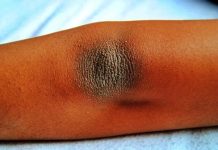





Here’s how you may feel after receiving the COVID-19 vaccination.
Whether you suffer any or all of the most frequent adverse effects from the COVID-19 vaccination, they are entirely normal, and controlling them is simpler than you may think. Here’s everything you need to know.
Unlike a flu vaccination, which utilises a protein from the influenza virus, the COVID-19 vaccines that are presently available use something called mRNA.
Messenger RNA (mRNA) is a genetic molecule that serves as the active component in the COVID-19 vaccine. The mRNA is synthetic and not derived from the COVID-19 virus.
The vaccinations offer the genetic information for your cells to create viral proteins. These proteins stimulate your immune system, allowing you to build immunity to COVID-19.
What to Expect From the COVID-19 Vaccine Side Effects
Following your vaccination, you may experience one or more of the following typical adverse effects:
• Pain or redness at the injection site
• Headache
• Fatigue
• Low-grade fever
• Chills
• Nausea
• Muscle aches/pain
Vaccine side effects usually appear between 24 and 48 hours after the administration.
These adverse effects are typical. They are a sign that your body is responding correctly to the vaccination, and they should go away in a few days.
Contact your healthcare practitioner if you have any adverse effects other than those mentioned above. If you have severe symptoms, go to the closest emergency hospital or call your healthcare provider.
Timing is important
Consider scheduling your second injection to minimise disturbance to your regular routine. Consider arranging your appointment towards the end of the day, around the weekend, or before a day off. That way, if you do have symptoms, you’ll have time to relax and recover.
Symptom Management at Home
If you feel ill following either dosage of the COVID-19 vaccination, you may easily manage your symptoms at home. To remain at ease, follow these steps:
• Take an over-the-counter pain medication (such as ibuprofen or acetaminophen) every 4–6 hours to treat a headache or fever.
• Drink lots of fluids, such as water, broth, or sports drinks.
• Take breaks during the day.
• Soak in an Epsom salt bath to relax sore muscles.
• Use or exercise your arm
Contact your healthcare practitioner if your symptoms intensify or do not seem to be going away after a few days.
We can limit the spread and return to normalcy if we work together.

Through our customised approach centered on the audience, we are regarded as one of the fastest growing online media brand in the world, renowned for independence in collaborating with newsmakers to unearth important issues and stories through the context of honesty, inclusiveness, and social discourse.
- SportPesa Mega Jackpot Predictions – August 11th 2024 - August 7, 2024
- Ethics On Trial: AI’s Moral Crisis Unleashed! - July 10, 2024
- The End of Jobs: AI’s Career Apocalypse is here! - July 10, 2024


