


























For ages, individuals have had unfavourable responses when coming into close contact with some chemicals. However, the word “allergy” was not created until 1906, when scientists were attempting to determine the cause of a chain of events that resulted in such responses.
WHAT IS AN ALLERGY?
An allergy is a spontaneous immune system reaction to chemicals that are normally innocuous in nature. The body’s immune cells detect these harmful compounds (called allergens) and attempt to eliminate them by producing an antibody called IgE and other inflammatory chemicals that damage neighbouring tissues and cause allergic symptoms.
ALLERGIC SYMPTOMS
Allergy is essentially an overreaction of the immune system. Here is a list of such symptoms that may be used to predict whether or not a person is allergic to a certain substance.
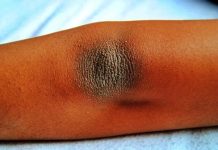
#ITCHING OF THE SKIN: Skin itching caused by allergies occurs in various illnesses such as eczema, allergic contact dermatitis (ACD), hives, and angioedema. Skin irritation is often accompanied by swelling, red pimples, flushing of the cheeks, or white or red areas. These symptoms arise when our body responds to histamine produced in order to establish a defensive system against a foreign material (allergen). These allergic responses may be caused by food, bug bites, sun exposure, or certain medications.
#NASAL CONGESTION: When allergies attack, the mucous membranes expand, and the inflamed nasal tissue blocks the sinuses, trapping air within. This causes discomfort and pressure. Allergies create nasal congestion, which leads to sneezing throughout the day. This happens when a person is sensitive to dust mites, tree pollen, animal dander, or seasonal allergies.
#WATERY OR ITCHY EYES: Dust exposure causes watery eyes in certain people who are allergic to it. Conjunctivitis, asthma, and rhinoconjunctivitis may also cause these symptoms.
#Problems IN BREATHING: The most frequent cause of allergy-related breathing difficulty is nasal congestion caused by allergic rhinitis, often known as hay fever. This is usually treated with a mixture of decongestants and antihistamines. Allergy asthma is another cause of breathing difficulties. Wheezing, a dry persistent cough, a tight and painful chest, insomnia, and shortness of breath are all symptoms. If a person has these symptoms, he should see a doctor. Another uncommon allergic response, anaphylactic shock, causes difficulties breathing and causes the patient to vomit or faint.
#ARRHYTHMIC HEARTBEAT COMBINED WITH CHEST PAIN
Arrhythmic heartbeat caused by an allergic response signals the beginning of a severe illness known as anaphylaxis. If you come into touch with certain foods, medicines, insects, or latex, you may have anaphylactic reactions. If you suffer shortness of breath, dizziness, chest discomfort, or fainting in addition to such palpitations, you should seek urgent medical care.
HOME REMEDIES FOR ALLERGIC REACTIONS
Many traditional medical systems utilise herbal supplements and extracts to treat and prevent allergic responses, particularly seasonal allergies.
Though there is no scientific evidence to support the use of most alternative or natural treatments, some individuals may discover that some may offer relief from their symptoms.
#Dietary Changes: A low-fat diet rich in complex carbohydrates, such as beans, whole grains, and vegetables, may decrease allergic responses.
#Bioflavonoids: These plant-based compounds present in citrus fruits and blackcurrants may function as natural antihistamines. These may also be taken as supplements.
#Supplements: Flaxseed oil, zinc, and vitamins A, C, and E are recommended to alleviate allergy symptoms.
#Acupuncture: Acupuncture treatments may help some individuals find relief from their problems.
ALLERGY-TREATMENT FOODS
Some foods may also reduce your chance of allergies and help you cope with symptoms if you have one. Here are a few examples.
#Pineapple: This fruit is high in anti-allergy ingredients. It includes bromelain, which may relieve the irritation and swelling that causes itchy eyes and a runny nose.
#Apples: This fruit includes a chemical called quercetin, which acts as a natural antihistamine. It helps to quiet down the cells that respond to allergens in the air.
#Fatty Fish: The omega-3 fatty acids found in fatty fish help to reduce inflammation. During heavy pollen seasons, this reduces swelling in the throat and nose.
#Bell Peppers: These are high in vitamin C, which acts as a natural antihistamine. Having this every day will keep allergies at bay.
While there may be some evidence suggesting home treatments for allergies may be helpful, it is best to see your doctor before attempting them. Get a complete diagnosis and follow your doctor’s advice on what’s best for you and your specific circumstances.

Through our customised approach centered on the audience, we are regarded as one of the fastest growing online media brand in the world, renowned for independence in collaborating with newsmakers to unearth important issues and stories through the context of honesty, inclusiveness, and social discourse.
- SportPesa Mega Jackpot Predictions – August 11th 2024 - August 7, 2024
- Ethics On Trial: AI’s Moral Crisis Unleashed! - July 10, 2024
- The End of Jobs: AI’s Career Apocalypse is here! - July 10, 2024


