


















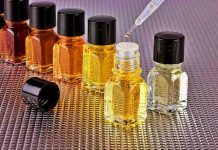


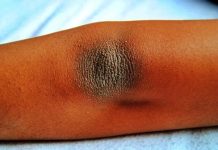





The following is a list of cosmetics components that may be hazardous. They are the most harmful ingredients in cosmetics and beauty products. Products containing these substances should be avoided.
It is preferable to avoid cosmetics as much as possible in order to limit your exposure to potentially hazardous substances. Most cosmetics include colour additives and hazardous chemicals that, if absorbed via the skin, may enter the bloodstream. Some of these hazardous compounds may also be inhaled or ingested via lip products and powders.
Certain chemicals found in cosmetics and other cosmetic items may cause cancer, endocrine abnormalities (which alter hormone synthesis in the body), developmental delays, and neurological issues. In this post, we’ve outlined several makeup ingredients to look out for while shopping for cosmetics.
Talc
Talc may be found in a variety of cosmetic products, including blushes, eye shadows, and bronzers. While talc is not harmful in and of itself, it is very likely to be contaminated with asbestos, a proven carcinogen. Asbestos exposure has been related to an increased chance of developing lung cancer, asbestosis (lung scarring), and mesothelioma (rare cancer, caused by asbestos).
Talc and asbestos are natural minerals that are often found together. After testing positive for asbestos, the FDA issued a warning to consumers in 2019 about the use of some cosmetic products containing talc.
Triclosan
To minimise the danger of bacterial contamination, cosmetic producers occasionally use triclosan in products such as toothpastes, antibacterial soaps, and body washes. High amounts of triclosan, on the other hand, may interfere with thyroid hormones and lead to antibiotic resistance. Researchers are also looking at how triclosan affects the development of skin cancer.
Lead
Color additives in eye cosmetics (such as kohl, kajal, al-Kahal, surma, tiro, tozali, kwalli) may contain high amounts of lead, a hazardous element. These chemicals are on the FDA’s list of prohibited colour additives, and any product containing them is unlawful in the United States.
Excessive lead exposure has been related to anaemia, weakness, kidney and brain damage, according to research. It may even be fatal. Because lead may penetrate the placental barrier, it can harm the unborn kid.
Mercury
Mercury-containing skin lighteners should be avoided. This heavy metal may impair the brain system, the kidneys, and a growing foetus. Thimerosal is a mercury-containing preservative that is often used in cosmetics. Keep an eye out for this preservative in cosmetics.
Parabens
Parabens, which are used as preservatives in many cosmetics, may enter the body via the skin and imitate oestrogen. Hormone receptor-positive breast cancer may be caused by an oestrogen imbalance. On cosmetic labels, parabens may be listed as methylparaben, propylparaben, ethylparaben, or butylparaben. Moisturizers, hair products, and shave creams may include them.
Carbon black
This chemical is utilised as a colouring agent in mascaras, eyeliners, and lipsticks. However, studies have shown that carbon black is “potentially harmful to humans.” The majority of research on the health consequences of carbon black is conducted on industrial-level exposure in factories or on laboratory animals. As a result, research on the safety of tiny quantities of carbon black in cosmetics remains restricted.
Formaldehyde
Formaldehyde, which is found in cosmetics, lotions, shampoos, shower gels, nail polishes, and hair straightening treatments, may cause ocular and respiratory system irritation. Some animal studies have also connected formaldehyde exposure to cancer.
The American Cancer Society has warned that keratin-based hair smoothing treatments may increase the indoor concentration of formaldehyde to potentially dangerous levels.

Through our customised approach centered on the audience, we are regarded as one of the fastest growing online media brand in the world, renowned for independence in collaborating with newsmakers to unearth important issues and stories through the context of honesty, inclusiveness, and social discourse.
- SportPesa Mega Jackpot Predictions – August 11th 2024 - August 7, 2024
- Ethics On Trial: AI’s Moral Crisis Unleashed! - July 10, 2024
- The End of Jobs: AI’s Career Apocalypse is here! - July 10, 2024

